When the first ball of the Women’s Premier League (WPL) was bowled, it carried more than just the weight of a cricket match. It carried decades of unfulfilled potential, years of struggle for recognition, and the collective hopes of millions who believed that women’s cricket deserved the same stage, the same spotlight, and the same respect as the men’s game. In that moment, Indian cricket did not merely launch a new tournament—it signaled a cultural shift.
The Women’s Premier League has emerged as one of the most transformative developments in modern sports, not just in India but across the global cricketing landscape. Modeled on the success of the Indian Premier League (IPL), the WPL has become a powerful platform for female cricketers, offering financial security, global exposure, and professional legitimacy on an unprecedented scale. More importantly, it has begun to rewrite long-standing narratives about women’s sports in a country where cricket is almost a religion.
This is the story of the WPL—how it was born, why it matters, the challenges it faces, and how it is shaping the future of women’s cricket.
The Long Road to Recognition
Women’s cricket in India has a history that stretches back decades, but for much of that time it existed on the margins. While the men’s game enjoyed packed stadiums, lucrative sponsorships, and wall-to-wall television coverage, women’s cricket often struggled for basic infrastructure, media attention, and financial backing.
Despite producing world-class players and memorable performances on the international stage, the women’s game remained underfunded and underappreciated. Domestic tournaments were played in near-empty stadiums. Many players balanced cricket with jobs or studies, uncertain whether their sporting careers could ever provide stability.
The success of the Indian women’s team in global tournaments—particularly their strong performances in World Cups—gradually began to change public perception. Matches involving players like Mithali Raj, Jhulan Goswami, Harmanpreet Kaur, and Smriti Mandhana started attracting larger audiences. Social media amplified their achievements, and conversations around gender equality in sports grew louder.
Yet, one crucial piece was missing: a high-profile domestic league that could bring talent, money, and visibility together under one banner. For years, calls for a women’s equivalent of the IPL grew stronger. The WPL was the answer.

The Birth of the Women’s Premier League
The launch of the Women’s Premier League marked a watershed moment for Indian cricket. When franchise ownership rights were auctioned, the figures stunned even seasoned observers of the sports business. Teams were sold for massive sums, instantly making the WPL one of the most valuable women’s sports leagues in the world.
This financial commitment sent a clear message: women’s cricket was no longer a side project. It was a serious investment.
The Board of Control for Cricket in India (BCCI) positioned the WPL not as an experiment, but as a flagship product. High production values, prime-time scheduling, and world-class broadcasting standards ensured that the league looked and felt every bit as professional as its male counterpart.
For players, the impact was immediate and profound. Auction prices soared, with several cricketers securing life-changing contracts. For many, the WPL meant financial independence for the first time in their careers. It meant the ability to focus entirely on cricket without worrying about job security or future uncertainty.
A League of Opportunity
One of the WPL’s greatest strengths lies in its inclusivity and reach. While Indian players form the backbone of the league, international stars from Australia, England, South Africa, New Zealand, and the Caribbean have brought global flavor and competitiveness.
This blend of talent has elevated the standard of play. Young Indian cricketers now share dressing rooms with World Cup winners, learning not just skills but professionalism, fitness regimes, and mental toughness. The exposure has accelerated player development in ways that years of domestic cricket could not.
For uncapped players and teenagers, the WPL has become a launchpad. A standout performance in a high-pressure match can turn a relatively unknown name into a national talking point overnight. Selectors, sponsors, and fans are watching closely, and opportunities follow performances.
In this sense, the WPL is not just a tournament—it is a career pathway.
Changing the Economics of Women’s Sport
Before the WPL, discussions about women’s cricket often revolved around passion and perseverance. Today, the conversation includes revenue, sponsorships, and market value.
Major brands have aligned themselves with WPL teams, recognizing the commercial potential of a growing and engaged audience. Merchandise sales, digital engagement, and broadcast deals have added new revenue streams. Players have become brand ambassadors, social media influencers, and household names. This economic shift has broader implications. When women’s sports become profitable, investment follows. Better facilities, improved coaching, sports science support, and grassroots programs become financially viable. The WPL has demonstrated that women’s cricket is not just socially important—it is commercially sustainable.
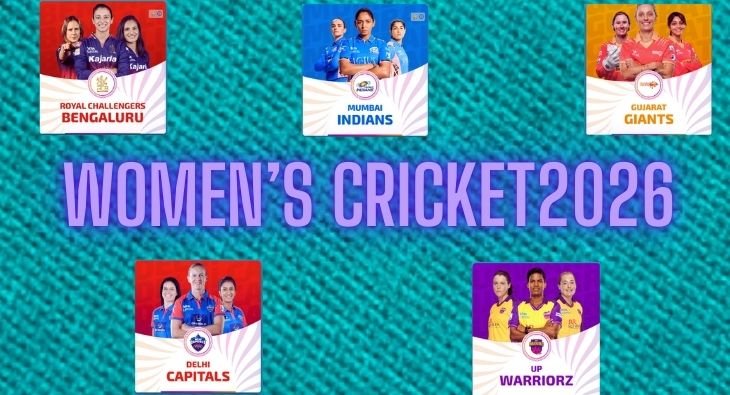
The Fans and the Atmosphere
One of the most heartening aspects of the WPL has been the response from fans. Stadiums have witnessed families, young girls, and first-time cricket watchers filling the stands. The atmosphere has been vibrant, celebratory, and inclusive.
For many young girls in the crowd, seeing women play cricket under floodlights, cheered by thousands, has been a powerful experience. Representation matters, and the WPL has provided it in abundance.
Television ratings and digital viewership have further reinforced the league’s popularity. Matches are discussed on social media, debated on sports panels, and followed with the same intensity once reserved exclusively for men’s cricket.
The message is clear: the audience is ready.
Media Coverage and Narrative Shift
The WPL has also changed how women’s cricket is covered in the media. Matches are analyzed with tactical depth. Players are critiqued and praised based on performance rather than novelty. Rivalries, leadership styles, and team strategies are dissected in detail.
This shift in narrative is significant. Treating women’s cricket as serious sport rather than a feel-good story is a mark of progress. It acknowledges the skill, competition, and professionalism involved.
At the same time, human stories continue to shine. Journeys of players from small towns, stories of comeback after injury, and accounts of balancing personal challenges with professional demands add emotional depth to the league’s coverage.
Challenges on the Road Ahead
Despite its success, the WPL is not without challenges. Sustainability remains a key concern. Maintaining high standards, competitive balance, and financial viability over the long term will require careful planning.
Scheduling is another issue. Ensuring that the WPL does not clash with international calendars or other major tournaments is crucial for player availability and quality of competition.
There is also the question of expansion. While adding more teams could increase reach and opportunity, it must be done without diluting talent or overwhelming infrastructure.
Grassroots development is equally important. The WPL cannot exist in isolation; it must be supported by strong domestic structures that identify and nurture talent at the school and club levels.
Impact Beyond the Boundary
The influence of the WPL extends far beyond cricket grounds. It has become part of a larger conversation about gender equality in sports and society. The visibility of successful female athletes challenges stereotypes and inspires confidence.
Parents who once hesitated to encourage daughters to pursue sports are reconsidering. Schools and academies are witnessing increased participation from girls. Conversations about equal pay, equal facilities, and equal respect are gaining momentum.
The WPL has shown what is possible when opportunity meets talent.
Global Significance
Internationally, the WPL has raised the bar for women’s cricket leagues. Its scale, financial muscle, and professionalism have set new benchmarks. Players from around the world now view the league as a premier destination, both competitively and economically.
This global interest strengthens the overall ecosystem of women’s cricket. Higher standards in one league push others to improve. Collaboration, competition, and shared learning benefit the sport as a whole.
Voices from the Field
Players often speak of the WPL as a dream realized. Many describe the pride of playing in packed stadiums, the thrill of high-pressure matches, and the joy of being treated as professional athletes.
Coaches and support staff echo these sentiments, noting improvements in preparation, fitness, and tactical awareness. Administrators see the league as proof that long-term investment in women’s sport yields tangible results.
Perhaps most telling are the reactions of young fans—girls who now talk about cricketing heroes not just as men in blue jerseys, but as women who look like them and play with the same fire.
The Road Forward
As the WPL continues to evolve, expectations will rise. Fans will demand higher standards. Players will push boundaries. Administrators will face tough decisions.
But the foundation is strong.
The league has already achieved something remarkable: it has made women’s cricket impossible to ignore. The league has ended doubts about its necessity and sparked discussions about its growth and expansion. to “how big can this become?”
In the years to come, the true measure of the WPL’s success will not be counted only in revenue or ratings, but in the number of lives it changes—the players who find careers, the fans who find inspiration, and the young girls who dare to dream bigger because they have seen what is possible.
Conclusion: More Than a League
The Women’s Premier League is more than a cricket tournament. It is a statement of intent. It is proof that when given the platform, women’s sport can thrive, entertain, and inspire on the grandest stage.
In a country where cricket shapes culture, the WPL has ensured that women are no longer watching from the sidelines. They are at the center of the action—bat in hand, stadium roaring, rewriting history one match at a time.
And this, perhaps, is just the beginning.
Women’s Premier League (WPL): Transforming the Landscape of Women’s Cricket in India

New Delhi:
The Women’s Premier League (WPL) has rapidly emerged as one of the most influential sporting leagues in the world, marking a historic turning point for women’s cricket in India. Launched with the vision of providing equal opportunity, visibility, and financial stability to female cricketers, the WPL has not only elevated the standard of the game but has also reshaped public perception of women’s sports.
Backed by strong investments, global stars, and growing fan engagement, the league has positioned itself as a game-changer in the cricketing ecosystem.
WPL: A Historic Step for Indian Women’s Cricket
For decades, women’s cricket in India existed in the shadows of the men’s game despite consistent international performances. The introduction of the Women’s Premier League bridged that gap by offering a professional, franchise-based tournament on a scale never seen before in women’s sport.
With high-value franchise auctions and prime-time broadcasting, the WPL instantly became one of the richest women’s leagues globally. This financial backing sent a strong signal that women’s cricket is no longer a developing product but a mainstream sporting enterprise.
Record-Breaking Investments and Commercial Growth
One of the defining features of the WPL has been its commercial success. Franchise owners placed aggressive bids, reflecting confidence in the league’s long-term potential. Sponsorship deals, broadcasting rights, and brand partnerships followed swiftly, giving the WPL a strong economic foundation. Major corporate brands aligned themselves with WPL teams, recognizing the league’s ability to reach a young, digitally active, and socially conscious audience. This commercial momentum has helped players secure endorsement deals, significantly increasing their earning potential beyond match fees.
Empowering Players Through Financial Security
The WPL has transformed the lives of many women cricketers by offering financial security that was previously unimaginable. Players who once struggled to balance cricket with other careers can now focus entirely on their sport.
High auction prices and professional contracts have enabled athletes to invest in better training, nutrition, and recovery. For young players, the league offers a clear career pathway, motivating them to pursue cricket as a full-time profession.
This economic empowerment is widely seen as one of the league’s most significant achievements.
Rising Standards and Global Talent Pool
The participation of international stars has raised the competitive standard of the WPL. Players from Australia, England, South Africa, New Zealand, and the West Indies bring global experience and tactical depth to the tournament.
The interaction between Indian and overseas players has accelerated skill development and professionalism. Young domestic talents gain exposure to elite training environments, advanced strategies, and high-pressure match situations, contributing to the overall growth of Indian women’s cricket.
Strong Fan Engagement and Media Coverage
The WPL has received an enthusiastic response from fans across the country. Stadiums have witnessed increased attendance, while television ratings and digital viewership have exceeded expectations. Social media platforms have played a crucial role in amplifying match highlights, player stories, and fan discussions.
Media coverage of the WPL has also matured. Matches are analyzed with the same seriousness as men’s cricket, focusing on tactics, performance metrics, and leadership decisions rather than novelty. This shift has helped normalize women’s cricket as a high-quality competitive sport.
Inspiring the Next Generation
Beyond entertainment, the Women’s Premier League has become a powerful source of inspiration. Young girls across India now see professional women cricketers as role models, changing attitudes toward female participation in sports.
Cricket academies and grassroots programs have reported increased enrollment of girls, a trend many attribute to the visibility created by the WPL. Parents, educators, and sports institutions are increasingly supportive, recognizing cricket as a viable career option for women.
Challenges Facing the WPL
Despite its success, the WPL faces several challenges. Ensuring long-term sustainability remains a priority, as maintaining high production standards and competitive balance requires continuous investment.
Scheduling conflicts with international tours and other domestic tournaments need careful management. Additionally, any future expansion of the league must be planned strategically to avoid talent dilution and logistical strain.
Experts also emphasize the importance of strengthening domestic women’s cricket to support the WPL pipeline, ensuring a steady flow of skilled players.
Global Impact and Future Outlook
Internationally, the WPL has set new benchmarks for women’s cricket leagues. Its financial scale and organizational quality have attracted global attention, influencing how other cricket boards approach women’s tournaments.
Looking ahead, administrators aim to expand the league’s reach, enhance grassroots development, and deepen fan engagement. With consistent support, the WPL is expected to play a crucial role in shaping the future of women’s cricket both in India and worldwide.