Introduction – The Sky Comes Alive
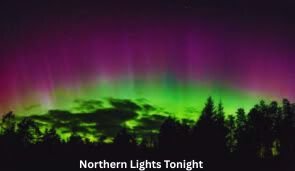
There’s something truly spellbinding about the night sky — and tonight, it promises one of its most breathtaking performances. The Northern Lights, or Aurora Borealis, are set to illuminate the heavens in vibrant waves of green, purple, and pink. Across northern regions of the world, from Alaska to Scandinavia, people are preparing to witness this dazzling celestial show.
For stargazers, photographers, and dreamers alike, tonight’s event is not just another night; it’s a dance between the Earth and the Sun, a cosmic ballet performed on the world’s greatest stage — the sky itself.
What Are the Northern Lights?
The Northern Lights have fascinated humans for centuries, inspiring myths, art, and even scientific curiosity. But what exactly are they?
The Science Behind the Aurora Borealis
The Aurora Borealis is a natural light display caused by charged particles from the Sun colliding with Earth’s atmosphere. When these solar particles interact with gases like oxygen and nitrogen in the atmosphere, they emit colorful light — the very lights that paint the Arctic skies.
The Role of Solar Flares and Magnetic Fields
Solar flares and coronal mass ejections (CMEs) from the Sun send waves of energetic particles hurtling toward Earth. Our planet’s magnetic field guides these particles toward the poles, where they collide with atmospheric gases, creating the dancing lights we adore.
Why Are the Northern Lights Visible Tonight?
The Solar Storm That’s Powering the Display
Tonight’s auroras are powered by a powerful geomagnetic storm, triggered by a massive solar flare earlier this week. Scientists at NASA and NOAA have confirmed that the solar wind speed has increased, enhancing visibility even in regions where the aurora is rarely seen — possibly as far south as the northern United States and parts of Europe.
Space Weather Predictions and Forecasts
Space weather experts have issued a Kp index of 7 or higher — a strong indicator of a major aurora event. The higher the Kp index, the more widespread the auroras become, meaning tonight’s display could reach millions of sky watchers globally.
Best Places to See the Northern Lights Tonight
If you’re in the Northern Hemisphere, you’re in luck. Here are some of the best viewing locations for tonight’s celestial event.
Alaska, USA
Fairbanks and Anchorage are among the top aurora-viewing locations in the world. The clear, dark skies of Alaska offer an unmatched experience.
Iceland
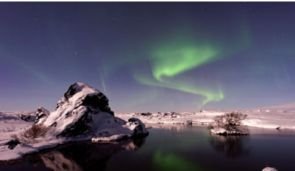
The Land of Fire and Ice is famous for its auroras, with places like Thingvellir National Park offering stunning backdrops for the lights.
Norway
Tromsø, known as the “Gateway to the Arctic,” is one of the best spots to witness the Northern Lights, surrounded by fjords and snow-covered mountains.
Canada
From Yukon to Northern Quebec, Canada’s vast wilderness offers clear skies and minimal light pollution.
Scotland and Northern Europe
Even parts of Scotland, Finland, and Sweden could catch the lights tonight, weather permitting.
What Time Will the Northern Lights Be Visible?
Experts suggest the aurora will be most visible between 9 PM and 2 AM local time, depending on location. However, local weather and cloud cover will play a huge role — clear skies are a must!
Timing Tips and Visibility Windows
Use aurora forecast apps or websites like AuroraWatch or SpaceWeatherLive to track visibility in real-time.
Local Weather and Light Pollution Factors
To maximize your chances, head away from city lights and find an open area with a clear horizon. Rural areas or coastlines are perfect spots.
How to Photograph the Northern Lights
Capturing the aurora requires patience and preparation — but the results are worth it.
Essential Equipment for Capturing Auroras
- A DSLR or mirrorless camera
- A sturdy tripod
Wide-angle lens with a maximum aperture of f/2.8 or greater.
Camera Settings for Stunning Shots
Use a long exposure (5–20 seconds), ISO 800–1600, and manual focus set to infinity. The key is to experiment until you find the right balance of exposure and brightness.
Smartphone Photography Tips
Modern smartphones can capture decent aurora shots using night mode or manual settings — but remember to keep it steady!
Safety Tips for Aurora Hunters
The Northern Lights might be beautiful, but Arctic conditions can be brutal.
Dressing for Extreme Cold
Layer up with thermal wear, insulated jackets, gloves, and waterproof boots. You’ll be outside for hours — comfort is key.
Staying Safe in Remote Areas
Always inform someone of your location, carry extra supplies, and be cautious of wildlife if you’re in rural areas.
Myths and Legends Surrounding the Northern Lights
Long before science explained the aurora, people created fascinating stories to make sense of its magic.
Ancient Norse Beliefs
The Vikings believed the Northern Lights were reflections from the shields of Valkyries, guiding warriors to Valhalla.
Indigenous Arctic Stories
Inuit tribes thought the lights were the spirits of ancestors dancing in the sky, a bridge between the living and the dead.
Modern Symbolism and Cultural Impact
Today, the aurora represents hope, beauty, and the mysteries of nature — a reminder that even the darkest nights can glow.
The Emotional Impact of Witnessing the Aurora
There’s nothing quite like standing beneath a glowing sky that seems to move with purpose.
A Once-in-a-Lifetime Experience
For many, seeing the Northern Lights is a dream come true — a bucket-list moment that feels almost spiritual.
Why People Travel Thousands of Miles for the Lights
Each aurora is unique. Its unpredictability and fleeting nature make it a true wonder of the natural world.
The Science of Colors – Why Are the Northern Lights Green, Red, and Purple?
The colors depend on which gases the solar particles collide with:
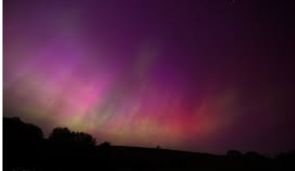
- Green: Oxygen at lower altitudes
- Red: Oxygen at higher altitudes
- Purple or Blue: Nitrogen molecules
It’s like nature’s own version of a neon light show!
When and Where You Can See Them Next
The solar cycle peaks every 11 years, meaning the next few years will bring more frequent and intense auroras. Keep an eye on solar activity forecasts to plan your next adventure.
Environmental Impact and Climate Connection
While auroras don’t cause climate change, scientists study solar activity to understand how space weather affects Earth’s atmosphere and satellites. It’s a reminder that everything — even the sky — is interconnected.
Social Media Buzz – The World Reacts
As the auroras blaze tonight, social media platforms are lighting up too. Hashtags like #NorthernLightsTonight and #AuroraBorealis are trending as people share breathtaking photos and videos.
Northern Lights: Humanity’s Eternal Fascination
For centuries, humans have gazed up at the mysterious ribbons of light dancing across polar skies. These ethereal colors — green, pink, violet, and red — have inspired poets, explorers, and scientists alike. Even today, the Northern Lights remain one of the most powerful natural spectacles on Earth, reminding us of our connection to the cosmos.
Every aurora display tells a story — of solar energy, atmospheric reactions, and human wonder. It’s a phenomenon that doesn’t just light up the sky; it illuminates our imagination.
The Growing Popularity of Aurora Tourism
In the past decade, aurora tourism has exploded. People travel from around the globe to destinations like Iceland, Finland, and Canada to experience the phenomenon firsthand.
Economic and Cultural Boost
Countries in the Arctic Circle have seen tourism flourish. Cities like Tromsø (Norway) and Reykjavik (Iceland) now host hundreds of thousands of visitors each winter. Hotels offer “aurora wake-up calls,” and tour operators guarantee sky watching with professional guides.
The Local Perspective
For locals, the Northern Lights are both a source of pride and a part of daily life. Many Arctic residents share personal stories of growing up under glowing skies — tales of childhood awe and the quiet joy of seeing familiar colors paint the horizon once more.
Scientific Research and Space Exploration
The study of auroras isn’t just about beauty; it’s also about science. Researchers monitor auroras to understand solar activity, space weather, and even communication disruptions caused by geomagnetic storms.
Why Scientists Study Auroras
These luminous displays reveal crucial data about the Earth’s magnetosphere, a shield that protects us from harmful solar radiation. When a powerful solar flare hits our planet, it can disrupt GPS signals, radio communications, and satellites — making aurora studies important for modern technology.
NASA and ESA Missions
Organizations like NASA and the European Space Agency (ESA) have dedicated missions — such as THEMIS and SWARM — to track and understand auroral patterns. By studying them, scientists gain insight into how our planet interacts with the Sun.
The Connection Between Northern and Southern Lights
While the Aurora Borealis lights up the north, its southern twin — the Aurora Australis — dances over Antarctica. Interestingly, both occur simultaneously, mirroring each other across the globe.
Though fewer people witness the Aurora Australis due to its remote location, scientists confirm that it’s equally stunning — proof that our planet glows with symmetry and balance.
Chasing the Lights: Tips for Travelers
Planning an aurora trip requires more than luck. Here are some expert tips to help maximize your chances:
Check Solar Activity Forecasts
Websites like SpaceWeatherLive, NOAA Space Weather Prediction Center, or Aurora Forecast provide real-time geomagnetic data.
Go During Aurora Season
Late autumn to early spring (September–March) is prime aurora season. Longer nights mean more opportunities to spot the lights.
Avoid the Full Moon
Bright moonlight can wash out faint auroras. Aim for new moon nights or times when the moon is below the horizon.
Dress Warm and Stay Patient
Aurora hunting is an exercise in endurance. Layers, thermal socks, and patience are essential companions.
Hire Local Guides
Local experts know the best vantage points and have access to real-time forecasts, increasing your success rate.
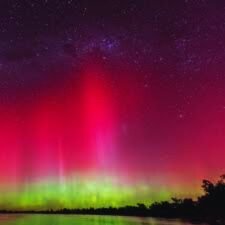
The Aurora in Literature and Art
Throughout history, the Northern Lights have appeared in countless poems, paintings, and myths.
- In Literature: Writers like Jack London and Philip Pullman have used auroras as symbols of mystery and transformation.
- In Art: Painters from Scandinavia and Russia captured the celestial glow in oil and watercolor, portraying the aurora as divine light.
- In Music: Composers such as Ola Gjeilo have even created pieces inspired by the sweeping dance of the aurora.
It’s a recurring muse — one that stirs creativity and wonder across cultures and generations.
Environmental Awareness Through the Aurora
Many modern travelers who witness the Northern Lights report a newfound respect for nature. Standing beneath the cosmic glow often reminds people of the fragility of our planet and the need to protect its beauty.
The aurora serves as a symbol of balance — between chaos and calm, science and spirituality, Earth and space.
The Role of Technology in Aurora Viewing
Thanks to advances in technology, tracking the Northern Lights has never been easier.
Aurora Forecast Apps
Apps like My Aurora Forecast, Aurora Alerts, and Hello Aurora provide real-time notifications when conditions are favorable.
Live Streams
For those who can’t travel north, live webcams from Iceland, Norway, and Alaska allow people to experience the show virtually.
Drones and 4K Photography
Modern drones capture the aurora from angles once impossible, offering mesmerizing aerial perspectives of the lights over snow and ice.
Capturing the Aurora: Beyond Photography
Modern technology allows us to document the aurora like never before — but capturing its essence goes beyond photos.
Time-Lapse and 4K Videography
Time-lapse videos reveal how auroras dance, swirl, and change colors within minutes. Advanced 4K and 8K cameras showcase this dynamic movement with stunning clarity.
Artistic Interpretations
Artists worldwide are translating the energy of the Northern Lights into paintings, digital art, and immersive light installations. Some even use AI-generated visualizations to simulate aurora patterns in urban settings — bringing the Arctic sky to the heart of cities.
Aurora and the Digital Age
Social media has amplified the global fascination with the aurora. Tonight alone, millions of posts across Instagram, X (Twitter), and TikTok are flooding in under hashtags like #AuroraTonight and #ChasingTheLights.
The Rise of Aurora Influencers
A new wave of photographers and travel vloggers specialize in aurora chasing. They share live updates, tips, and breathtaking visuals that reach millions of followers — turning the Northern Lights into a global community experience.
The Double-Edged Sword of Virality
While this digital attention helps spread awareness, it also leads to overtourism in fragile Arctic regions. Environmentalists urge responsible travel — minimizing waste, respecting local traditions, and protecting the untouched beauty of aurora landscapes.
When Nature Outshines Technology
In an age dominated by screens and artificial light, the Northern Lights remind us of nature’s unmatched brilliance. No digital display, no LED technology, can truly replicate the depth and motion of an aurora dancing freely across the sky.
It’s humbling to realize that while humans create light for function, nature creates it for wonder.
Aurora Predictions: What the Future Holds
According to space weather experts, we’re entering a solar peak period expected to last through 2026–2027. This means more frequent and stronger auroras are likely in the coming years.
For skywatchers around the world, this is thrilling news — an era of celestial abundance. Scientists recommend keeping an eye on space weather alerts, as even regions farther from the poles might occasionally experience auroral glows.
The next decade could well be remembered as a Golden Age of Aurora Watching.
A Cosmic Connection: The Sun, the Earth, and Us
The Northern Lights remind us that everything in the universe is linked. Every flicker of light in the Arctic sky begins 150 million kilometers away — on the Sun. In that sense, watching the aurora is like watching solar energy made visible.
Each color, each wave, is a message from the cosmos — proof that our planet is alive and interacting with forces beyond our world.
Spiritual and Personal Meanings
Many cultures see the aurora as more than a scientific event. It’s a spiritual sign, a dance of the universe meant to inspire reflection and gratitude.
To some, it’s a sign of peace. To others, it’s a message from ancestors. And for dreamers, it’s a reminder that even the coldest nights can hold unimaginable beauty.
The Future of Aurora Research
As technology advances, scientists continue to explore how solar and geomagnetic activity shape not just the aurora, but our planet’s atmosphere as a whole.
New satellites, like NASA’s IMAP mission, are set to provide even more detailed data about solar winds, ensuring that humanity remains in tune with the rhythms of the cosmos.
Final Reflections – The Lights That Bind Us
The Northern Lights are more than a scientific event, more than a visual delight. They are a symbol of unity — connecting people from every nation, culture, and belief under a shared sky.
In a world that often feels divided, the aurora serves as a reminder: no matter where we stand on Earth, we all look up at the same stars, the same sun, and tonight, perhaps, the same waves of light painting our sky.
So as the darkness falls and the colors begin to shimmer, take a moment. Breathe. Watch. And let the universe remind you that you are part of something vast, beautiful, and endlessly alive.
Final Thoughts – When the Sky Becomes Art
The Northern Lights are the Earth’s most poetic form of expression. They bridge the gap between science and soul, reminding us of the wonder that exists beyond everyday life.
As you gaze upon the shimmering horizon tonight, remember — this isn’t just a light show. It’s the universe speaking in color, a cosmic whisper across the night sky.
So look up, breathe in the cold air, and let yourself be awed. Because sometimes, the most beautiful things in life don’t need to be understood — they just need to be witnessed.
Conclusion – The Sky’s Greatest Spectacle
The Northern Lights are more than just a scientific phenomenon — they are a reminder of the universe’s beauty and mystery. Whether you’re watching from a snowy tundra or your backyard, tonight’s aurora connects us all under the same sky.
So grab your camera, step outside, and let the universe paint for you.
FAQs
1. What causes the Northern Lights?
They’re caused by charged solar particles colliding with gases in Earth’s atmosphere.
2. Can the Northern Lights be seen without special equipment?
Yes! You can see them with the naked eye if you’re in a dark location under clear skies.
3. Are the Northern Lights harmful?
Not at all — they’re completely harmless and purely visual.
4. What is the best month to see the Aurora Borealis?
Typically, between September and March, when nights are longest and skies are darkest.
5. Can you predict when Northern Lights will appear?
Scientists use solar activity forecasts, but exact timings depend on solar wind and local weather.
More news :-Samsung Galaxy S26 Ultra: Redefining the Future of Smartphones
https://blindspotnews.com/samsung-galaxy-s26-ultra/