Introduction to Independence Day
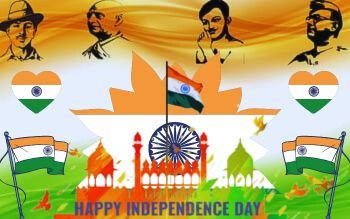
Independence Day Every year, on 15th August, India wakes up to a day filled with pride, remembrance, and a renewed sense of unity. Independence Day is not merely a day—it is the spirit of a people, forged in struggle, alive with hope, and bound by freedom. who fought to free India from British colonial rule. This day represents the birth of the world’s largest democracy and a symbol of hope for millions across the globe.
It is a day when we not only remember the historic moment in 1947 when our tricolor first fluttered in the free skies of India but also reflect on how Proud of how far we’ve marched—determined to reach the heights still unseen.
Significance of Independence Day in India
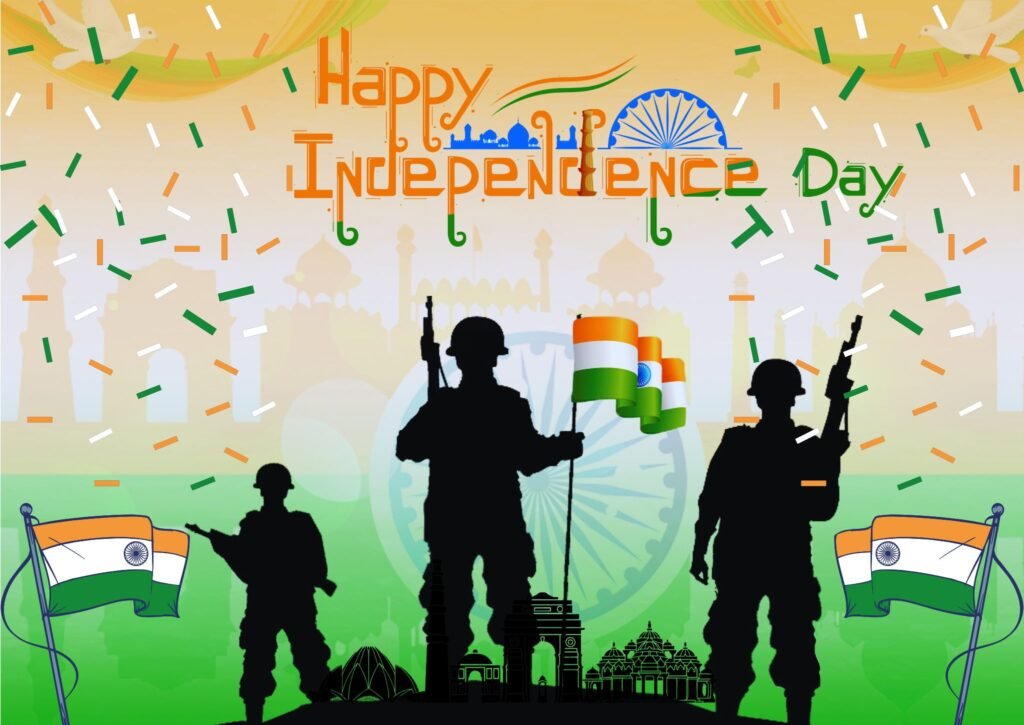
For nearly two centuries, India was under British domination. Independence Day marks the moment when we reclaimed our political, cultural, and economic freedom. It is a celebration of the spirit of democracy, the resilience of people from different regions, languages, and religions who came together with a common goal—freedom.
It also serves as a reminder that independence was hard-earned. It came with struggles, imprisonment, sacrifices, and even the ultimate price paid by many. Today, it inspires us to uphold the values of justice, equality, and liberty.
Historical Background of Indian Independence
Independence Day The history of India’s freedom struggle is not the story of one person or one event—it is a centuries-long narrative of resistance against oppression.
- The Early Resistance: Revolts by regional rulers, tribal uprisings, and peasant movements in the 18th and 19th centuries laid the foundation for organized resistance.
- Economic Exploitation: British policies drained India’s wealth and destroyed local industries, creating poverty and resentment.
- Cultural Suppression: English education and laws often undermined Indian traditions, creating cultural unrest alongside political opposition.
By the late 19th century, the seeds of organized nationalism had been firmly planted.
The Struggle for Freedom
Early Movements Against British Rule
Revolt of 1857 – The First War of Independence
Also known as the Sepoy Mutiny, the Revolt of 1857 began as a military uprising but quickly turned into a nationwide rebellion. Leaders like Rani Lakshmi Bai, Mangal Pandey, and Bahadur Shah Zafar became legendary symbols of resistance. Though suppressed, it awakened the nation to the possibility of freedom.
Role of Social Reformers and Leaders
Social reformers like Raja Ram Mohan Roy fought against social evils and promoted education, while leaders like Swami Vivekananda inspired youth to serve the nation. These reforms strengthened the social fabric necessary for a united movement.
Rise of the Indian National Congress
Formed in 1885, the Indian National Congress (INC) became the primary voice of Indian aspirations.
Moderate vs. Extremist Phase
In its early years, the INC adopted a moderate approach—petitioning for reforms, better governance, and Indian representation. However, by the early 20th century, leaders like Bal Gangadhar Tilak, Bipin Chandra Pal, and Lala Lajpat Rai pushed for more aggressive action.
The Role of Mahatma Gandhi in the Freedom Struggle
Independence Day When Gandhi returned from South Africa in 1915, he brought with him the philosophy of Satyagraha—non-violent resistance. His methods transformed the freedom struggle from elite politics to a mass movement involving millions.
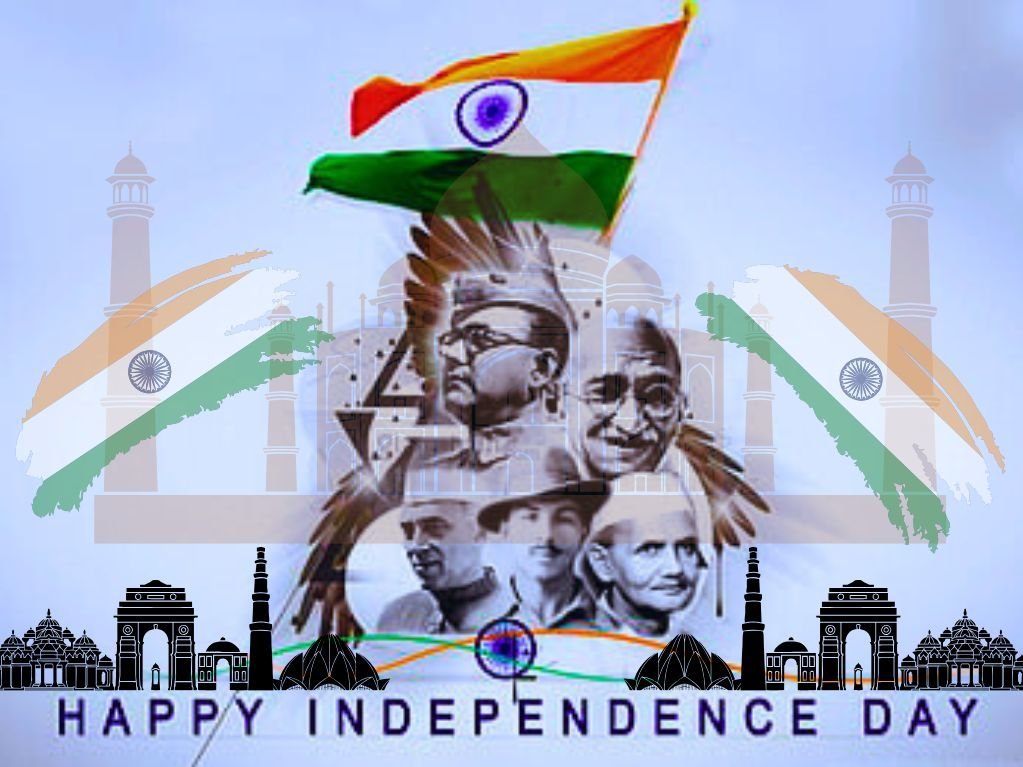
Landmark Movements Leading to Independence
Non-Cooperation Movement (1920–1922)
Gandhi urged Indians to boycott British goods, schools, and titles. The movement demonstrated the power of unity, but was suspended after the Chauri Chaura incident where violence broke out.
Civil Disobedience Movement (1930–1934)
This phase began with Gandhi’s Salt March, where he walked 240 miles to Dandi to make salt in defiance of British law. It symbolized the simple yet powerful resistance against unjust policies.
Quit India Movement (1942)
Launched during World War II, this movement demanded an immediate end to British rule. Gandhi’s “Do or Die” call became the rallying cry, leading to mass arrests and widespread protests.
Key Freedom Fighters and Their Contributions
Mahatma Gandhi – The Father of the Nation
Gandhi’s commitment to non-violence and truth reshaped India’s political landscape, turning the independence struggle into a moral movement.
Subhas Chandra Bose – The Firebrand Leader
Bose believed in armed struggle and led the Indian National Army with the vision of freeing India with Japanese assistance during WWII.
Bhagat Singh – The Young Revolutionary
At just 23, Bhagat Singh sacrificed his life, becoming an eternal symbol of youthful bravery and revolutionary zeal.
Sardar Vallabhbhai Patel – The Iron Man
Patel’s greatest contribution came after independence—uniting over 500 princely states into one nation.
The Day of Independence – 15th August 1947
The Midnight Speech by Jawaharlal Nehru
As the clock struck midnight, Nehru delivered his famous “Tryst with Destiny” speech, declaring that India had redeemed its pledge of freedom.
Partition and Its Aftermath
Independence was bittersweet. The partition accompanying Pakistan’s creation became one of history’s greatest displacements, leaving behind a legacy of pain.
Celebrations of Independence Day in India
Flag Hoisting at the Red Fort
A tradition since 1947, the Prime Minister unfurls the Tiranga and addresses the nation.
Cultural Programs and Parades
From military displays to folk dances, the day showcases India’s cultural richness and defense capabilities.
School and College Celebrations
Patriotic songs, plays, debates, and speeches ensure that the spirit of independence is passed on to younger generations.
The Spirit of Patriotism
Unity in Diversity
Despite over 1.4 billion people speaking hundreds of languages, Independence Day reminds us that India’s strength lies in its unity.
Role of Youth in Nation Building
Today’s torchbearers of liberty are the young—charged to root out graft, pioneer progress, and guarantee justice for all.
Independence Day in the Modern Era
Technological and Economic Progress Since 1947
From agriculture self-sufficiency to becoming a global IT hub, India’s journey reflects resilience and ambition.
Challenges Facing the Nation Today
Poverty, inequality, environmental threats, and regional tensions remind us that freedom requires constant vigilance.
Global Recognition of India’s Independence
Today, India is recognized as a rising global power—a voice in climate action, peacekeeping, and economic growth.
Conclusion – The Road Ahead
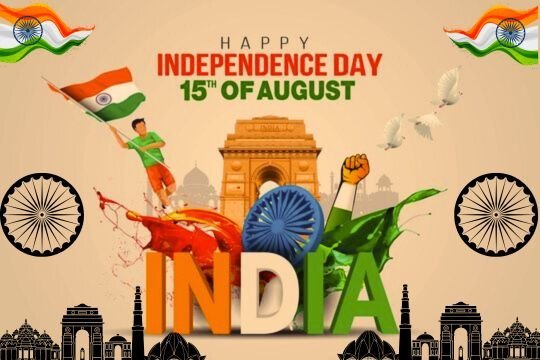
Independence Day is more than a holiday—it is a call to action. The freedom our ancestors fought for must be preserved by ensuring justice, equality, and opportunity for all. This flag isn’t merely three colors—it’s an unbreakable pledge, a weight we carry together, and the visualization of our common hope.
FAQs
1. What historical significance does August 15th hold for India’s Independence?
Because on this date in 1947, India officially gained freedom from British colonial rule.
2. Who gave the famous “Tryst with Destiny” speech?
Jawaharlal Nehru, the first Prime Minister of India.
3. What was the first major movement against British rule?
What began as the Sepoy Mutiny became India’s First War of Independence.
4. Can you name the legendary leader nicknamed India’s Iron Man?
Sardar Vallabhbhai Patel.
5. How can we honor Independence Day today?
By contributing to the nation’s progress, upholding democratic values, and fostering unity.