
Introduction
The Pakistan vs Sri Lanka ODI 2025 was more than just a cricket match—it was a celebration of Asian cricket’s rich legacy, filled with fierce competition and mutual respect. As two proud cricketing nations met once again on the grand stage, fans were treated to a thrilling contest that showcased skill, patience, and passion in equal measure.
Every Pakistan vs Sri Lanka ODI has its own story, and this one turned into a modern classic—a blend of explosive batting, tight bowling, and nerves of steel.
The Build-Up to the ODI Encounter
Before the first ball was bowled, the anticipation was sky-high. Pakistan had recently shown excellent form in their home series, while Sri Lanka entered the ODI with renewed confidence after a string of competitive performances.
Social media was buzzing with predictions, debates, and nostalgia about their iconic past matches. For both sides, this wasn’t just another ODI—it was about pride, progress, and proving a point ahead of major ICC tournaments.
Historical Rivalry in ODIs
The Pakistan–Sri Lanka ODI rivalry is a tale of evolution. Their first encounter in 1975 marked the beginning of a competitive journey that has since witnessed over 150 ODI battles.
From Arjuna Ranatunga vs Wasim Akram duels in the ’90s to Kumar Sangakkara’s elegant centuries and Babar Azam’s modern-day dominance, this rivalry has evolved into one of cricket’s most respected showdowns.
Memorable games like the 2014 Asia Cup final and Pakistan’s historic ODI series win in 2017 still live fresh in fans’ memories.
Teams at a Glance
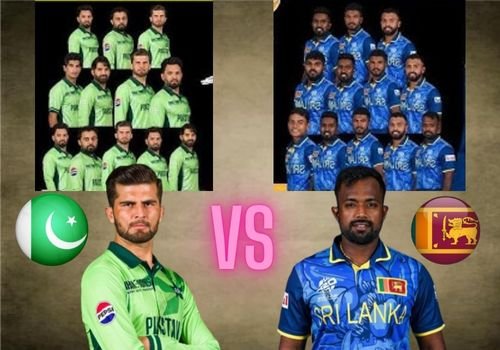
Pakistan Squad
Babar Azam (C), Mohammad Rizwan (wk), Fakhar Zaman, Imam-ul-Haq, Iftikhar Ahmed, Shadab Khan, Agha Salman, Shaheen Shah Afridi, Haris Rauf, Mohammad Nawaz, and Usama Mir.
Pakistan’s strategy revolved around building partnerships and unleashing their pace battery under lights.
Sri Lanka Squad
Kusal Mendis (C), Pathum Nissanka, Charith Asalanka, Dhananjaya de Silva, Sadeera Samarawickrama, Dasun Shanaka, Wanindu Hasaranga, Theekshana, Matheesha Pathirana, Dilshan Madushanka, and Kasun Rajitha.
Sri Lanka aimed to exploit spin-friendly conditions and test Pakistan’s middle order.
Match Venue and Conditions
The match was played at the R. Premadasa Stadium, Colombo, known for its electric atmosphere and balanced pitch offering something for both batters and bowlers.
The weather was humid, with dew expected later, which made the toss crucial. The stands were packed, fans waving flags, beating drums, and chanting songs that echoed passion for cricket.
The Toss and Team Decisions
Babar Azam won the toss and chose to bat first, trusting his team’s batting depth. Mendis admitted he would’ve done the same.
Pakistan wanted to set a challenging total, while Sri Lanka aimed to strike early with the new ball.
Pakistan’s Innings — The Power-Packed Start
Fakhar Zaman and Imam-ul-Haq opened the innings confidently. Their partnership combined patience and aggression—rotating strike smartly while punishing loose balls.
Fakhar’s powerful pull shots brought the crowd to life, while Imam’s elegant timing kept the scoreboard ticking.
After an 87-run stand, Sri Lanka struck with Madushanka removing Imam for 41. But the dismissal brought in Babar Azam, and the tone of the innings changed instantly.
Babar Azam’s Classic Touch
Babar Azam once again showed why he’s among the world’s best ODI batsmen. Every shot was a masterclass in timing and temperament. His ability to shift gears from defense to offense frustrated Sri Lanka’s bowlers.
With Rizwan joining him, Pakistan’s middle order stabilized. They built a crucial partnership of 112 runs, with both players rotating the strike effectively.
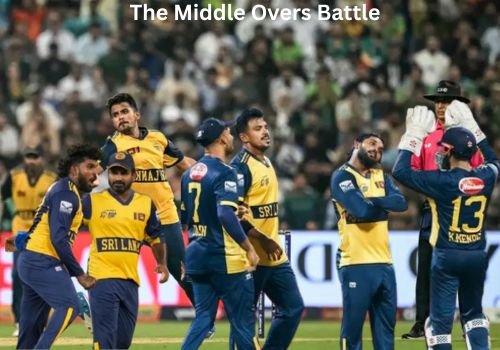
The Middle Overs Battle
Sri Lanka’s spinners, especially Hasaranga and Theekshana, tried to apply pressure. Their variations in pace and flight kept the Pakistani batsmen cautious. But Babar and Rizwan counterattacked with precision, finding gaps and using sweeps to neutralize the spin.
When Babar was dismissed for 97—three short of a well-deserved century—the crowd rose to applaud. Rizwan continued to accelerate, playing a crucial 72 off 64 balls.
The Late Charge
In the final ten overs, Iftikhar Ahmed and Agha Salman provided the fireworks. Their calculated aggression saw Pakistan scoring 92 runs in the last 10 overs, pushing the total to a formidable 324/6.
Sri Lanka’s bowlers struggled to contain the flow of boundaries as Pakistan finished their innings on a high note.
Sri Lanka’s Chase — The Story of Determination
Chasing 325 was never going to be easy, but Sri Lanka began with intent. Pathum Nissanka’s crisp drives and Mendis’ calm presence gave them a steady start.
At 78/0, Sri Lanka looked comfortable—until Shaheen Afridi’s fiery spell changed everything.
Shaheen Afridi’s Lethal Spell
Afridi struck twice in his fourth over—removing Nissanka with an inswinger and trapping Samarawickrama lbw. The double blow rattled Sri Lanka, and pressure mounted.
However, Kusal Mendis stood tall, countering the pace attack with elegance. He reached his fifty off 49 balls and looked determined to lead from the front.

Middle-Order Collapse
Pakistan’s spinners took control in the middle overs. Shadab Khan bowled a beauty to dismiss Asalanka, while Nawaz’s flight deceived Dhananjaya de Silva.
Within 10 overs, Sri Lanka slumped from 110/1 to 178/5, leaving their hopes resting on Mendis and Hasaranga.
Despite a fighting stand, Haris Rauf’s raw pace ended Hasaranga’s cameo, and Pakistan sensed victory.
The Death Overs Drama
With 75 needed off the last 8 overs, Mendis fought valiantly, striking boundaries off Shaheen and Haris. His knock of 103 off 95 balls was pure class—filled with flicks, drives, and fearless intent.
But when Shaheen returned to remove him in the 46th over, the chase collapsed. Sri Lanka were bowled out for 297, handing Pakistan a 27-run victory.
Star Performers and Game Changers
- Babar Azam (97 runs): The backbone of Pakistan’s innings.
- Mohammad Rizwan (72 runs): His composure ensured momentum.
- Shaheen Afridi (4/52): Destroyed Sri Lanka’s top order.
- Kusal Mendis (103 runs): The lone warrior for Sri Lanka.
These performances defined the tone of a classic ODI—balanced, tense, and unforgettable.
Reactions and Emotions
Post-match, both captains praised each other’s efforts.
Babar Azam said, “Sri Lanka fought hard, but I’m proud of how our boys stayed calm under pressure.”
Mendis, though disappointed, expressed hope: “We’re improving every match. Credit to Pakistan—they played smart cricket.” Fans flooded social media with highlights, memes, and appreciation posts. Hashtags like #PAKvSLClassic and #BabarAzamMasterclass trended worldwide.
Statistical Breakdown
- Total Runs: 621 runs scored in the match
- Fours and Sixes: 58 boundaries and 14 sixes
- Highest Partnership: 112 runs between Babar and Rizwan
- Most Wickets: Shaheen Afridi (4)
- Fastest Fifty: Iftikhar Ahmed (off 29 balls)
Pakistan’s win marked their 60th ODI victory over Sri Lanka in head-to-head clashes.
Lessons for Both Teams
For Pakistan:
- The top order remains solid, but lower-order finishing needs consistency.
- Bowling under dew requires tighter execution in death overs.
For Sri Lanka:
- Middle-order stability is key in high chases.
- Fielding improvements and power-hitting depth are crucial for future success.
Spirit of Sportsmanship
What stood out most was the camaraderie. After the match, players from both sides exchanged handshakes and smiles. Sri Lanka’s crowd gave Babar Azam a standing ovation—a gesture of mutual admiration that defines true sportsmanship.
Post-Match Emotions: A Night of Celebration and Reflection
As the final wicket fell, Pakistan’s players erupted in joy. Shaheen Afridi punched the air with raw emotion, while Babar Azam raised his arms toward the sky, acknowledging the crowd’s deafening roar. It was a moment that summed up everything beautiful about cricket—effort, emotion, and excellence.
The Pakistani dressing room was a mix of relief and celebration. Players congratulated each other with laughter and hugs, their camaraderie on full display. The support staff shared knowing smiles—it had been a tough game, one that tested every nerve.
Meanwhile, in the Sri Lankan camp, silence hung heavy for a few minutes. Kusal Mendis sat quietly, his helmet beside him, staring at the pitch that had witnessed his heroic century. Soon, coach Chris Silverwood patted him on the shoulder, and the team gathered in a huddle. There was disappointment, yes—but also immense pride. Sri Lanka had not surrendered; they had fought like warriors.
Fans’ Reactions: The Pulse of Two Nations
Across Lahore, Karachi, Colombo, and Kandy, streets buzzed with conversation. Social media was ablaze—hashtags like #BabarAzam97, #ShaheenStorm, and #MendisCentury topped the trending charts.
Pakistani fans poured into the streets, waving flags and playing drums. For them, it wasn’t just a win; it was a statement that Pakistan’s ODI dominance was alive and well. Memes, montages, and fan-made highlights flooded YouTube and Twitter within hours.
In Sri Lanka, though the loss stung, fans applauded Mendis’ bravery. The phrase “Lions never quit” trended on X (formerly Twitter), symbolizing the island’s unyielding cricketing spirit.
Even neutral fans across the world praised the sportsmanship—two teams competing fiercely but with grace.
Expert Opinions: A Tactical Breakdown
Cricket analysts and former legends offered in-depth insights after the match.
Wasim Akram, Pakistan’s legendary pacer, commented during a post-match show:
“This is classic Pakistan cricket. We played with flair, but the discipline made the difference. Babar led with calmness, and Shaheen bowled like a true spearhead.”
Kumar Sangakkara, former Sri Lankan captain, praised both sides:
“Sri Lanka are on the right path. Mendis’ innings was one of maturity and courage. Pakistan, on the other hand, showed why they remain one of the most balanced ODI sides in the world.”
Analysts agreed that the turning point came between the 25th and 35th overs of Sri Lanka’s innings when Pakistan’s spinners throttled the scoring rate. Shadab’s control and Nawaz’s variation built pressure that led to crucial wickets—an often underappreciated aspect of the win.
Inside the Strategy Rooms
Behind every great match lies hours of meticulous planning. Pakistan’s assistant coach revealed in a press briefing:
“We studied how Mendis handles pace and spin transitions. That’s why Shadab bowled a flatter trajectory today—it forced errors.”
On the other hand, Sri Lanka’s coach explained their approach:
“We aimed to exploit the early overs, knowing Pakistan’s middle overs could choke us. The plan worked partly, but once Shaheen got swing, it was difficult to recover.”
This behind-the-scenes look highlighted how cricket has evolved—no longer just a game of instinct, but of data, precision, and mental toughness.
Moments That Defined the Match
Every great ODI is made of moments that shift momentum. Let’s revisit a few unforgettable ones:
- Shaheen’s Double Strike:
In the 8th over, Shaheen Afridi dismissed both openers within four balls. His fiery celebration ignited the crowd, swinging the game’s early balance. - Babar Azam’s Boundary to Reach 90:
With a graceful cover drive off Pathirana, Babar reminded fans why elegance is as powerful as aggression. - Mendis’ Upper Cut for Six:
A fearless stroke off Haris Rauf that landed deep into the stands—proof that class can shine even under pressure. - Rizwan’s Diving Catch:
A moment of brilliance that silenced Sri Lanka’s hopes of a late surge. - The Last Wicket:
As Madushanka’s edge flew to slip, Pakistan erupted. Shaheen raised the ball high—a symbol of dominance and redemption.
The Human Element: Players Beyond the Pitch
Behind every stroke and delivery lies a human story.
Babar Azam, calm and composed, carries not just Pakistan’s hopes but the burden of expectation. After the game, he spoke humbly:
“It’s not about personal milestones. It’s about teamwork. I’m proud of how every player contributed.”
Kusal Mendis, despite defeat, became an instant hero back home. His emotional post-match statement touched fans:
“You don’t always win, but you always learn. Today, we learned how close we are to greatness.”
Shaheen Afridi, Pakistan’s strike weapon, dedicated his performance to fans:
“Every roar from the stands gives us energy. This win is for them.”
These quotes reminded the cricketing world that behind every scorecard, there are humans with dreams, pressures, and pride.
The Cultural Connection: More Than Just a Match
Pakistan and Sri Lanka share a bond that transcends cricket. From mutual respect between boards to emotional fan interactions, their relationship is built on shared values of hospitality and humility.
During the post-match ceremony, Sri Lankan fans applauded Pakistan’s national anthem—a gesture that drew appreciation worldwide. Similarly, Pakistani fans in the stands cheered for Mendis when he reached his hundred.
Such moments show that while rivalries fuel competition, empathy fuels the soul of the game.
Detailed Statistical Insight
To truly appreciate the magnitude of the match, let’s look at the numbers:
| Category | Pakistan | Sri Lanka |
| Total Runs | 324/6 (50 overs) | 297 all out (48.3 overs) |
| Run Rate | 6.48 | 6.12 |
| Highest Partnership | 112 (Babar & Rizwan) | 68 (Mendis & Nissanka) |
| Boundaries | 36 Fours, 8 Sixes | 28 Fours, 6 Sixes |
| Top Scorer | Babar Azam (97) | Kusal Mendis (103) |
| Best Bowler | Shaheen Afridi (4/52) | Madushanka (2/56) |
| Extras | 15 | 11 |
Such stats not only tell who performed but how tightly contested the game truly was.
Media and Global Reactions
Sports channels across the world hailed the ODI as one of the finest contests of the year.
- ESPN Cricinfo called it “A masterclass in ODI temperament.”
- BBC Sport praised both captains for “bringing grace back into modern cricket.”
- CricBuzz highlighted that the encounter proved why ODI cricket still matters in an age dominated by T20s.
International cricketers like Virat Kohli, Angelo Mathews, and Kane Williamson congratulated both teams on social media, appreciating the quality of play.
Future Implications
This ODI wasn’t just about victory—it carried implications for rankings and confidence.
Pakistan’s win pushed them up the ICC ODI Team Rankings, while Sri Lanka’s fighting performance kept them within striking distance of qualification spots for upcoming global events.
For both, this match served as a rehearsal for the ICC Champions Trophy 2025, expected to be hosted in Pakistan. Coaches from both sides emphasized the importance of learning from the experience.
Comparing Captains: Babar Azam vs Kusal Mendis
Both skippers showcased contrasting leadership styles.
- Babar Azam led with calm authority, trusting his bowlers and maintaining composure even during Mendis’ assault.
- Kusal Mendis, on the other hand, was fiery and expressive, constantly motivating his teammates with energy.
While Babar’s team lifted the trophy, Mendis’ courage won hearts. Experts agreed that both captains symbolize the future of Asian cricket—balanced, strategic, and emotionally intelligent.
Pakistan’s Tactical Edge
Pakistan’s strategy was a blend of experience and innovation. The decision to open with Fakhar and Imam ensured left-right balance.
Using Nawaz early in the second innings surprised Sri Lanka and broke rhythm.
Assistant coach Mohammad Yousuf later revealed:
“We believed varying pace and length could stop their momentum. Credit to our bowlers for executing perfectly.”
This tactical depth was the real difference-maker—a sign of Pakistan’s growing maturity as a cricketing powerhouse.
Sri Lanka’s Never-Say-Die Spirit
Despite losing, Sri Lanka’s approach earned global admiration. Mendis’ century, Hasaranga’s counterattack, and the bowlers’ discipline showcased the team’s evolving temperament.
Their young players, like Pathirana and Madushanka, gained invaluable experience facing one of the world’s best batting lineups.
Sri Lankan media described their performance as “a glimpse into the future of Lankan cricket.”
Behind the Numbers: Psychology of Pressure
What makes matches like this fascinating is the mental battle. Every run, every delivery carries psychological weight.
In the middle overs, when Sri Lanka slowed the run rate, Babar and Rizwan exchanged constant communication—calm words, smiles, reassurance.
That mental strength became contagious.
Similarly, when Mendis batted through Pakistan’s attack, his teammates in the dressing room stood at the edge, clapping every boundary. It was as if the spirit of Aravinda de Silva and Mahela Jayawardene echoed through him. Cricket, as this match proved, is 90% mental and 10% execution.
Lessons for the Next Generation
For young cricketers watching around the world, this ODI was a live masterclass.
- Babar Azam showed how to build an innings with patience and precision.
- Kusal Mendis demonstrated courage and adaptability under immense pressure.
- Shaheen Afridi taught the art of rhythm and aggression in fast bowling.
The match will likely feature in coaching sessions and highlight reels for years to come, teaching future cricketers how to balance aggression with grace.
Global Viewership and Commercial Impact
The game drew record-breaking numbers. According to unofficial estimates, the ODI attracted over 60 million live viewers across Asia.
Sponsors, broadcasters, and streaming platforms celebrated the success as proof that ODI cricket still captivates audiences. The advertising slots during the innings break reportedly sold out within minutes—an indicator of the format’s enduring appeal.
A Day to Remember in Asian Cricket
The sun had long set when players left the stadium, but the chants still echoed outside. Fans lingered, holding banners that read “Cricket unites us” and “Asia’s pride.”
It was more than a game—it was a cultural event, a shared memory that bridged borders.
Pakistan’s victory belonged not just to their eleven players but to an entire region that lives and breathes cricket.
Final Thoughts: The Legacy of the Match
The 2025 ODI between Pakistan and Sri Lanka will be remembered not merely for the numbers, but for the spirit. It was a story of resilience, tactical brilliance, and respect—a reflection of why cricket is often called a gentleman’s game.
Both sides walked away with pride. Pakistan took home the trophy, but Sri Lanka walked away with renewed belief. As Babar Azam said in his closing remarks:
“When you play Sri Lanka, you play not just against a team—but against a nation that plays with heart.”
And indeed, it was the heart that made this match unforgettable.
Conclusion
The Pakistan vs Sri Lanka ODI 2025 was a spectacle of skill and soul—a reminder of why cricket holds such emotional power across Asia.
Pakistan’s win reflected discipline and leadership, while Sri Lanka’s fight highlighted resilience and pride.
This was not just a game—it was a statement that Asian cricket remains rich, dynamic, and deeply connected to its people.
FAQs
1. Who won the Pakistan vs Sri Lanka ODI 2025?
Pakistan won the match by 27 runs after setting a target of 325.
2. Who was the Player of the Match?
Babar Azam received the award for his brilliant 97-run knock.
3. How did Kusal Mendis perform?
Mendis scored a magnificent century (103 off 95) but couldn’t lead Sri Lanka to victory.
4. Which bowlers impressed the most?
Shaheen Afridi took 4 wickets, while Shadab and Nawaz controlled the middle overs.
5. What’s next for both teams?
Both sides will prepare for their next ODI series, focusing on improving consistency ahead of the ICC Champions Trophy.



2 thoughts on “Pakistan vs Sri Lanka ODI 2025: A Clash of Grit, Glory, and Greatness”