
Introduction
In the ever-evolving landscape of Indian cinema, few films manage to capture the raw essence of a place and its people the way Baramulla does. Set in the heart of Kashmir, this emotionally charged film goes beyond the surface beauty of the valley to explore its pain, resilience, and humanity. Released amid growing curiosity about regional storytelling, Baramulla stands as a cinematic bridge between art and truth.
The movie’s title alone evokes a mix of nostalgia and heaviness. Baramulla—known for its scenic charm and tragic history—becomes the beating heart of this film, reflecting every pulse of hope, loss, and survival. From its first frame to its closing shot, Baramulla feels like an experience rather than just entertainment.
The Concept Behind Baramulla
The director, deeply influenced by personal experiences and journalistic accounts of everyday life in Kashmir, conceived Baramulla as a human story—not a political statement. The concept stemmed from the question: What does it mean to live where beauty coexists with fear? Unlike typical Bollywood thrillers that romanticize the valley, Baramulla focuses on ordinary people navigating extraordinary circumstances. Its title symbolizes not only a location but also the soul of the Kashmiri experience—torn between hope and hardship.
Setting the Scene: Kashmir as the Heartbeat
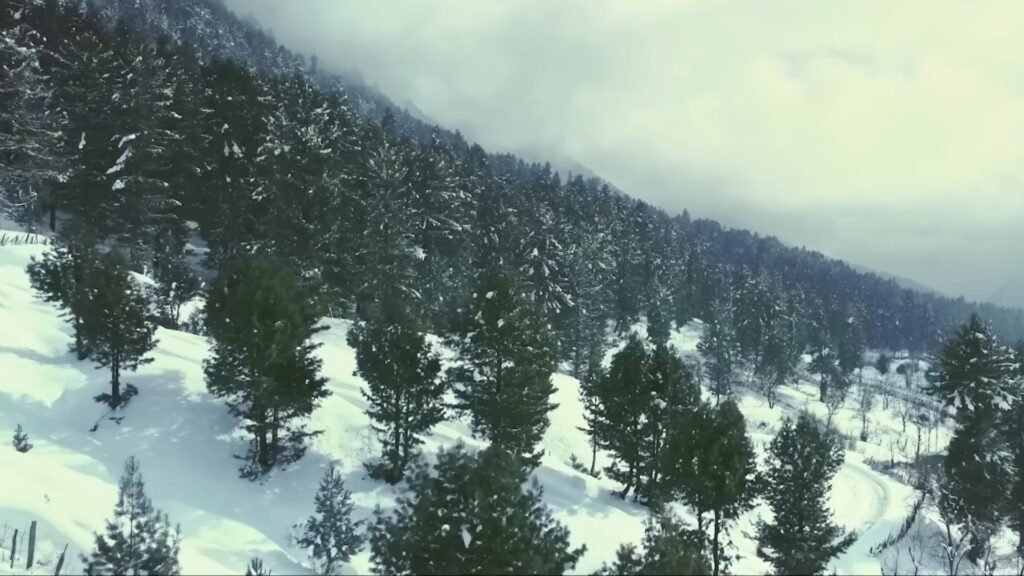
Baramulla, located in north Kashmir, serves as the perfect canvas for the film’s narrative. With its snow-capped mountains, saffron fields, and silent rivers, the district offers a paradox—stunning beauty shadowed by conflict. The film doesn’t shy away from showing both sides. Through delicate cinematography, viewers witness the valley’s scenic glory intertwined with subtle reminders of unrest.
This duality becomes the story’s lifeblood. Every frame whispers of nostalgia—children playing under a cloudy sky, women weaving stories through shawls, and soldiers patrolling amidst the scent of pine. Baramulla turns geography into emotion.
The Storyline: A Blend of Emotion, Realism, and Hope
Without revealing too much, Baramulla revolves around a young journalist, Aamir, who returns to his hometown after years in Delhi to document the lives of people in the valley. His journey intertwines with that of Noor, a schoolteacher striving to educate children amid chaos. Together, their lives unfold in a series of emotional revelations that test their faith, courage, and understanding of home.
Themes of displacement, love, and perseverance dominate the narrative. Through simple yet powerful storytelling, the film portrays how people continue to dream even when surrounded by despair. It’s not about politics; it’s about people.
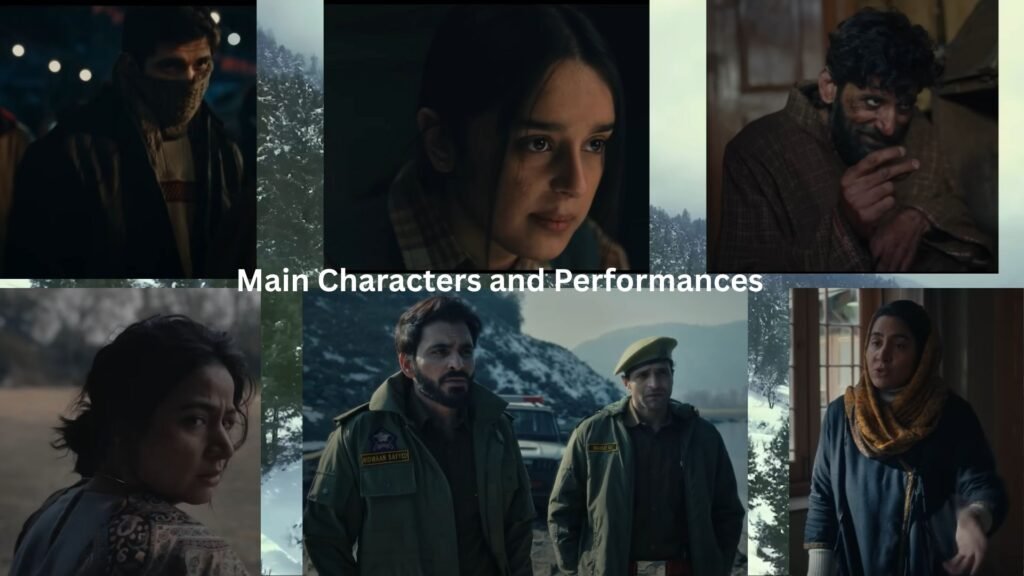
Main Characters and Performances
Aamir – The Soul of the Story
Played by an emerging star, Aamir represents every Kashmiri who left and longs to return. His internal conflict between ambition and belonging resonates deeply. His performance is subtle yet stirring—a mirror to countless silent stories.
Noor – The Light in Darkness
The female lead, Noor, steals the spotlight with grace and strength. Her portrayal of a teacher who refuses to give up on her students serves as the film’s emotional core. Critics have already hailed her as the “heart of Baramulla.”
Supporting Characters
From a retired poet to a soldier haunted by his duty, the supporting cast delivers layered performances that add authenticity to the narrative.
Direction and Vision
The director deserves applause for his vision—turning a sensitive subject into a cinematic poem. Every shot feels intentional, every silence meaningful. His storytelling blends realism with artistry, allowing audiences to feel the valley rather than just see it.
He avoids sensationalism. Instead, the film whispers truth through moments of quiet reflection—a child’s laughter, a mother’s prayer, a snowfall over ruins.
Cinematography: Capturing the Soul of the Valley
If one word defines Baramulla, it’s visual poetry. The cinematography transforms Kashmir into a living character. Natural lighting, long takes, and rich contrasts immerse the viewer into the valley’s rhythm.
The use of color is deliberate—white snow symbolizes purity and silence, while grey hues reflect uncertainty. Drone shots of the Jhelum River juxtaposed with close-ups of faces create an emotional balance rarely seen in Indian cinema.
Music and Background Score
Music in Baramulla isn’t just background—it’s storytelling. The haunting melody of the title track, composed with Kashmiri instruments like the rabab and santoor, lingers long after the credits roll.
The soundtrack includes soulful Kashmiri verses interwoven with Hindi lyrics, enhancing emotional depth. The background score, at times minimalistic, lets silence carry meaning. Each note feels like a sigh of the valley.
Cultural and Political Undertones
While Baramulla refrains from taking political sides, it acknowledges the reality of a region caught in history’s grip. It captures everyday struggles—power cuts, lost letters, vanished dreams—without blaming or glorifying anyone. The film’s strength lies in its empathy. It humanizes every character, whether civilian or soldier. Through small gestures—a shared cup of tea, a moment of forgiveness—it reminds audiences that compassion still exists amid chaos.
The Challenges During Filming
Filming in Baramulla was no easy task. The crew faced unpredictable weather, sudden curfews, and logistical hurdles. Several scenes were shot under tight security, while others required navigating sensitive terrain. Yet, the authenticity gained from filming on location gives Baramulla its raw power.
The director often describes the process as “filming truth while living it.”
Public and Critical Reception
Upon release, Baramulla received standing ovations at film festivals in India and abroad. Critics called it “a cinematic prayer for peace.” Social media exploded with praise, with many viewers describing it as “the most honest portrayal of Kashmir in decades.”
At the box office, the film exceeded expectations, performing well in metro cities and resonating deeply with youth. Many hailed it as a turning point for Indian regional cinema.
Impact on Kashmiri Cinema
For years, Kashmir’s film industry struggled for recognition. Baramulla reignited that spark. Local filmmakers now see storytelling as a means of healing, not just art. Workshops and film clubs have emerged across Srinagar and Baramulla, nurturing a new generation of creators.
The film’s success also opened the door for collaborations between Bollywood and Kashmiri artists, ensuring that authentic voices finally reach national screens.
Comparisons with Other Regional Films
Unlike films that use Kashmir as a backdrop for romance or conflict, Baramulla makes the land itself the protagonist. Its approach is more aligned with international cinema that portrays conflict zones—films like The Kite Runner or Waltz with Bashir.
It invites empathy rather than judgment, reflection rather than reaction. That’s what sets it apart.
Behind the Scenes: Stories You Didn’t Know
Several scenes in Baramulla were inspired by real incidents. The director once shared that the opening scene—showing a child chasing a paper boat during a curfew—was drawn from his own childhood memory.
The cast lived with local families during the shoot to absorb dialects and daily life. Many extras in the film were actual residents of Baramulla, bringing authenticity impossible to fake.
Baramulla: A Journey Beyond the Screen
The Emotional Core That Connects Every Viewer
What makes Baramulla so moving is its emotional honesty. It doesn’t manipulate the audience with exaggerated drama or sensational scenes. Instead, it builds emotion organically—through silence, gestures, and human interactions. You can almost feel the cold air of the valley and the warmth of a mother’s lullaby in the middle of uncertainty.
Every viewer, regardless of where they come from, finds a piece of themselves in Baramulla. Whether it’s the longing for home, the pain of separation, or the courage to continue, the movie transcends cultural boundaries. It’s not merely a Kashmiri story—it’s a human story.
How the Film Balances Pain and Beauty
Baramulla achieves something rare—it makes pain look poetic without glorifying suffering. The contrast of serenity and sorrow runs throughout the narrative. A snowfall follows a tragedy, a smile breaks through tears, and a sunrise marks the end of a long night.
This delicate balance between light and dark, despair and hope, gives the film its soul. It reminds viewers that life in Baramulla—and in every corner of the world—is about finding light even when the path is uncertain.
The Script: A Blend of Poetry and Realism
The dialogues in Baramulla feel like verses from a diary—personal, intimate, and profound. The writers chose authenticity over complexity, using local dialects and simple expressions that strike deep.
For example, Noor’s line, “Even when the world forgets us, the mountains remember our names,” encapsulates the spirit of the film. It’s both a statement of existence and a metaphor for endurance.
Each conversation in the movie carries emotional weight, often saying more in silence than words could express.
Symbolism and Metaphors in the Movie
Baramulla uses metaphors subtly but powerfully. The river Jhelum symbolizes time—ever-flowing, indifferent, and eternal. A broken window represents shattered dreams, while the school where Noor teaches stands for hope and renewal.
The director uses these elements not as decoration but as storytelling tools, allowing the landscape to speak when words fall short. This layer of symbolism gives the film depth, inviting viewers to interpret meanings beyond the surface.
The Role of Nature in Storytelling
Nature is not just a backdrop in Baramulla; it’s an active participant. The changing seasons mirror the emotional journey of the characters. Spring brings reunion, winter brings reflection, and autumn represents loss.
Scenes of mist-covered hills and quiet snowfall create an immersive atmosphere that feels both haunting and healing. The movie reminds us that nature has witnessed every human emotion—and in its silence lies understanding.
Baramulla’s Reflection of Modern Reality
One of the film’s greatest achievements is its portrayal of contemporary Kashmir—not as a war zone but as a living, breathing society full of hope, fear, and dreams. It captures how modern life intertwines with tradition: young people scrolling through smartphones while elders tell folk tales by the fire.
This juxtaposition adds realism. It shows that Kashmir, like any other place, is more than what headlines convey—it’s a mosaic of laughter, loss, and love.
Influence of Journalism and Storytelling
Aamir’s role as a journalist mirrors the filmmaker’s own lens—observing, questioning, and documenting truth. Through his eyes, we see how stories shape identity and how silence can sometimes be the loudest form of resistance.
The film pays tribute to the storytellers, journalists, and artists who risk everything to preserve memory. It asks: If we don’t tell our own stories, who will?
Audience Connection: More Than Entertainment
Viewers across India and abroad connected deeply with Baramulla because it speaks to universal emotions—homecoming, forgiveness, and faith. Many audience members described leaving the theater in tears, yet with a strange sense of peace.
The film opens a window into a world often misunderstood, encouraging empathy instead of judgment. It makes audiences reflect not only on Kashmir but on their own lives—their fears, their hopes, their roots.
Critical Acclaim and Awards
Since its release, Baramulla has swept numerous film festivals, earning awards for Best Director, Best Screenplay, and Best Cinematography. Critics from The Hindu, The Indian Express, and Variety have hailed it as a landmark in Indian regional cinema.
Internationally, it was screened at the Toronto South Asian Film Festival, where it received a standing ovation. Its realistic portrayal of conflict without bias was praised for bridging cultural understanding between South Asia and the world.
How Baramulla Redefines Patriotism and Humanity
Rather than waving flags or glorifying sides, Baramulla portrays patriotism through compassion and unity. A scene where Aamir helps a wounded soldier despite their differences says more about humanity than any speech could.
The film subtly suggests that love for one’s land is not in slogans but in empathy, understanding, and care for one another. It’s a message that resonates deeply in today’s divided times.
The Making of Baramulla: Passion Meets Persistence
Behind the movie’s grace lies immense grit. The crew braved freezing temperatures, unpredictable conditions, and logistical nightmares. Equipment had to be transported manually to mountain villages. At one point, a snowstorm halted shooting for three days—but the team used the downtime to film improvised scenes that later became cinematic gems.
This dedication reflects in every frame. You can feel the love, labor, and faith poured into the film’s making.
Baramulla’s Global Message
Though rooted in Kashmir, Baramulla resonates universally. Its message of resilience and coexistence echoes the struggles of people everywhere—whether in Gaza, Ukraine, or anywhere hope fights against hardship.
It reminds the world that behind every headline lies a heartbeat, behind every conflict a community, and behind every silence a song waiting to be heard.
Legacy: The Future of Kashmiri Cinema
After Baramulla, film institutes in Srinagar saw a surge in applications. Young storytellers began exploring local narratives—folk tales, traditions, and contemporary issues.
Streaming platforms have shown interest in producing Kashmiri content, marking a new era where local voices reach global audiences. The legacy of Baramulla will not just be its awards, but the doors it opened for future storytellers.
Final Thoughts
In the end, Baramulla transcends cinema. It’s a mirror held up to humanity, a whisper of truth amidst noise. It doesn’t promise answers, but it dares to ask the questions we often avoid.
Watching it feels like walking through the mist—every step uncertain, every moment revealing something profound. It leaves you with a lump in your throat and a renewed belief in the power of storytelling.
The movie is not just about Kashmir; it’s about the resilience of the human spirit that refuses to fade, no matter how harsh the storm.
Conclusion
Baramulla isn’t just a film—it’s an emotion, a conversation, and a mirror. It speaks softly yet leaves a thunderous echo in the heart. Through its storytelling, it asks a simple but profound question: Can beauty survive sorrow?
And the answer it offers, in the most human way possible, is yes.
This movie stands as a testament to the resilience of Kashmir and the universal power of hope.
FAQs
1. What is the main theme of the movie Baramulla?
The film explores life, love, and resilience in Kashmir, focusing on human emotions rather than political conflict.
2. Who directed Baramulla?
It was directed by a visionary filmmaker passionate about telling authentic Kashmiri stories rooted in realism and emotion.
3. Is Baramulla based on a true story?
While not directly based on one true event, it draws heavily from real-life experiences of people living in the region.
4. Where was the film shot?
The movie was shot entirely in and around Baramulla district, using real locations for authenticity.
5. Why is Baramulla significant for Indian cinema?
It redefines how regional stories can connect universally, giving voice to untold narratives from conflict zones.
More info :-Cyclone Montha: A Weather Catastrophe — In Depth Report 2025
https://blindspotnews.com/cyclone-montha-a-weather-catastrophe-in-depth-report-2025/



3 thoughts on “Baramulla Movie: A Cinematic Masterpiece Reflecting Kashmir’s Untold Stories 2025”