Introduction
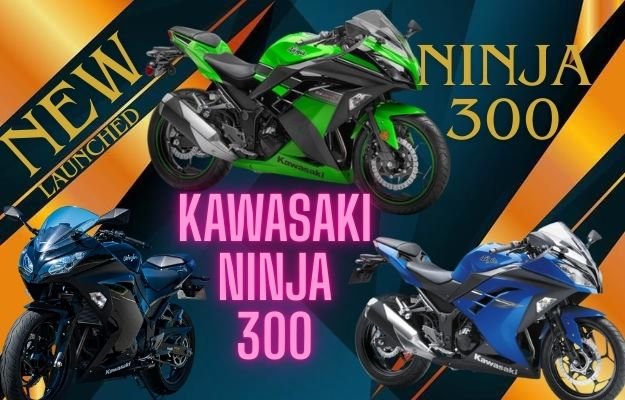
The Kawasaki Ninja 300 has been a household name for motorcycling enthusiasts since its debut in 2012. Designed as the successor to the Ninja 250R, it brought a new wave of excitement to the entry-level sports bike market. With its aggressive design inspired by bigger Ninjas, refined twin-cylinder engine, and practical yet thrilling rideability, the Kawasaki Ninja 300 struck the perfect balance between daily usability and weekend adrenaline.
Even today, the bike remains a favorite among riders who want the performance of a sports machine without the overwhelming complexity or cost of bigger superbikes. Let’s dive deep into what makes the Ninja 300 an enduring legend.
The Evolution of the Ninja Series
The Birth of a Legacy
Kawasaki’s Ninja lineup has been synonymous with performance since the 1980s. The Ninja name itself is legendary, often associated with cutting-edge design, racing DNA, and aggressive styling.
Why the Ninja 300 Stood Out
When launched the Ninja 300, it was a step up from the popular Kawasaki Ninja 250. Riders wanted more power, refinement, and advanced technology, and the Kawasaki Ninja 300 delivered on all fronts, quickly becoming a global success.
Design and Styling: Aggression Meets Elegance
Aerodynamic Superbike Looks
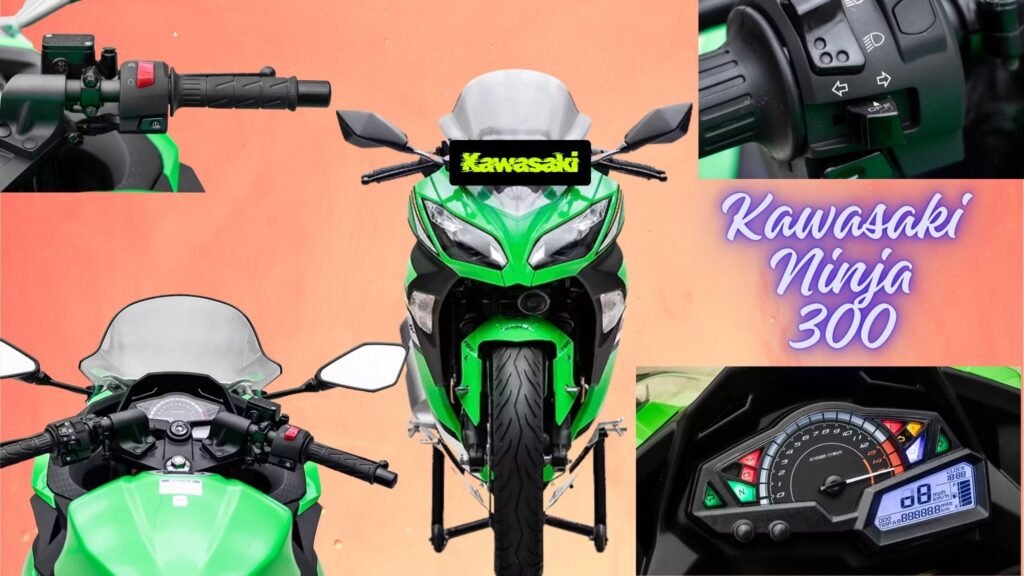
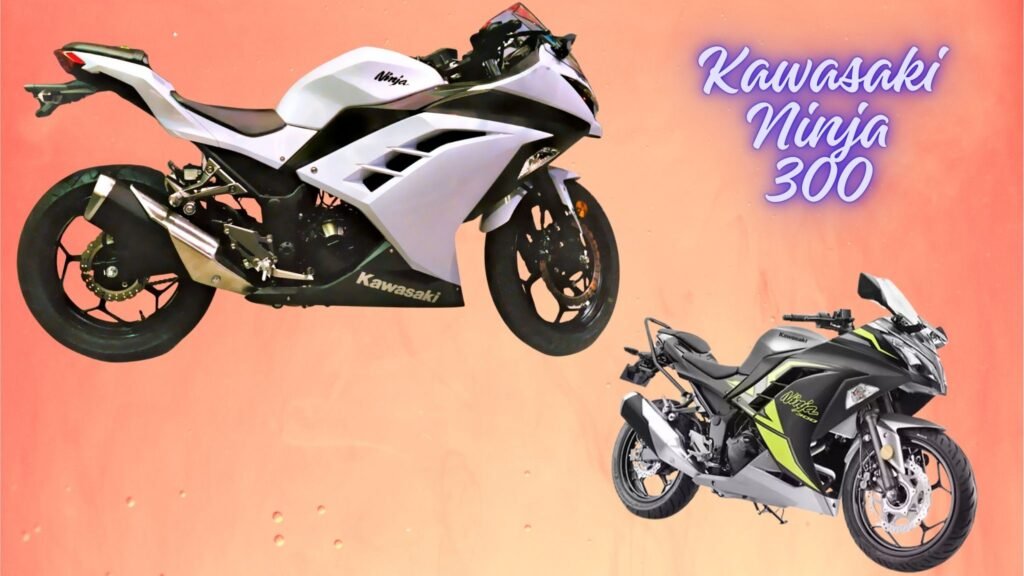
The Kawasaki Ninja 300 is often mistaken for its elder siblings like the Kawasaki Ninja ZX-6R due to its sharp fairings and sculpted tank. Its aerodynamic body ensures stability at high speeds while giving it a premium presence on the road.
Signature Twin Headlamps
The aggressive twin headlamps are the hallmark of the Ninja design language, giving the 300 a bold and menacing front fascia.
Sporty Tail and Premium Finish
With a raised tail section, LED tail lamps, and refined paint quality, the Kawasaki Ninja 300 looks every bit like a true sports bike.
Engine and Performance
Twin-Cylinder Powerhouse
At the heart of the Kawasaki Ninja 300 is a 296cc liquid-cooled, parallel-twin engine producing nearly 39 horsepower and 27 Nm of torque. The smooth power delivery sets it apart from single-cylinder rivals.
Performance on the Road
With a top speed of around 160–170 km/h, the bike excels both in city commuting and on open highways. It pulls cleanly across the rev range, making overtaking effortless.
Refinement Factor
The engine refinement is one of the Kawasaki Ninja 300’s biggest strengths. Unlike thumpy single-cylinders, the twin setup ensures vibration-free rides even at higher RPMs.
Ride and Handling
Perfect for City Commutes
Despite being a sports bike, the Kawasaki Ninja 300 is surprisingly friendly in traffic. Its light clutch action and well-spaced gears make it manageable for everyday use.
Confidence on Corners
For enthusiasts, the bike shines on twisty roads. Its stable chassis and well-balanced suspension allow precise cornering, making every ride exciting.
Technology and Features
Semi-Digital Instrument Cluster
The Kawasaki Ninja 300 comes with a mix of analog and digital readouts, including a tachometer, speedometer, fuel gauge, and trip meters—simple, functional, and rider-focused.
Safety with ABS
Dual-channel ABS enhances safety, especially in wet or slippery conditions. Combined with petal disc brakes, it ensures confident braking at all speeds.
Fuel Efficiency
Balanced Mileage
The Kawasaki Ninja 300 offers around 25–30 km/l, depending on riding style. While it’s not the most economical, it balances efficiency with sporty performance.
Economy Meets Thrill
For a twin-cylinder sports bike, its fuel economy is quite respectable, especially for riders transitioning from commuters to performance machines.
Comfort and Ergonomics
Seating Position
The ergonomics of the Ninja 300 are sporty yet practical. Riders don’t have to crouch aggressively, making it comfortable for both short city rides and longer highway journeys.
Suspension Setup
With telescopic forks at the front and a monoshock at the rear, the suspension setup offers a balance between comfort and sporty stiffness.
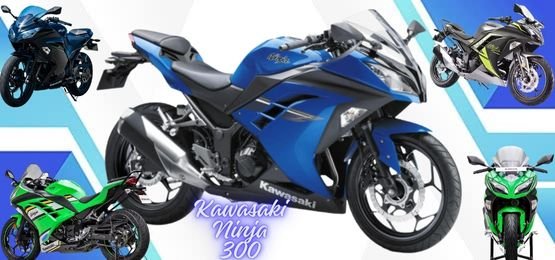
Market Position and Pricing
Affordable Sports Machine
Kawasaki positioned the Ninja 300 as an entry-level sports bike, offering twin-cylinder performance at an approachable price compared to liter-class machines.
Segment Rivals
It competes with the Yamaha R3, KTM RC 390, and Honda’s CBR series, holding its own thanks to refinement and Kawasaki’s brand legacy.
Popularity Among Riders
First Big Bike for Young Riders
For many enthusiasts, the Ninja 300 serves as the first step into the superbike category. Its manageable power makes it perfect for beginners, while its sporty nature excites seasoned riders.
Cult Status
In countries like India, Thailand, and Indonesia, the Ninja 300 enjoys cult popularity as an aspirational sports bike that is still accessible to the masses.
Global Demand and Reception
Asian Markets
In Asia, the Ninja 300’s combination of affordability and sporty appeal makes it a favorite. It’s often seen as the perfect blend of style and practicality.
Western Reception
In Europe and North America, it’s widely considered a stepping-stone bike, giving riders confidence before upgrading to mid-weight and liter-class superbikes.
Customization and Accessories
Aftermarket Possibilities
From slip-on exhausts to custom seats and graphics, the Ninja 300 offers endless opportunities for personalization.
Touring-Friendly Options
Riders often equip it with panniers, tank bags, and windshields for long-distance touring. The engine’s reliability makes it a solid touring companion.
Comparison with Rivals
Ninja 300 vs KTM RC 390
The KTM RC 390 is more powerful and track-focused, but its single-cylinder engine lacks the refinement of the Ninja’s twin.
Ninja 300 vs Yamaha R3
The Yamaha R3 offers slightly more power but at a higher price point. The Ninja 300 wins on affordability and Kawasaki’s reputation for reliability.
Pros and Cons
Strengths
- Twin-cylinder refinement
- Sporty yet comfortable ergonomics
- Premium design inspired by larger Ninjas
- Strong resale value and Kawasaki reliability
Weaknesses
- Slightly outdated features compared to rivals
- Pricing higher in certain regions
- Limited digital features in the console
The Future of the Ninja 300
Possible Upgrades
As emission norms tighten, Kawasaki may either upgrade the Ninja 300 or replace it with models like the Ninja 400.
Its Place in Kawasaki’s Lineup
Despite newer models, the Ninja 300 remains a key entry point, introducing new riders to the legendary Ninja family.
Conclusion
The Kawasaki Ninja 300 is not just an entry-level sports bike—it’s a dream machine for many riders. Combining refined twin-cylinder performance, aggressive styling, daily comfort, and Kawasaki’s legendary reliability, it redefined what beginners could expect from a sports bike.
For over a decade, it has continued to inspire confidence in new riders while still thrilling veterans. Affordable yet premium, friendly yet sporty, practical yet aspirational—the Ninja 300 is a motorcycle that checks all the right boxes.
If you’re looking for a machine that can handle weekday commutes and weekend adventures with equal ease, the Kawasaki Ninja 300 deserves a spot at the top of your list.
FAQs
Q1: Is the Kawasaki Ninja 300 good for beginners?
Yes, its manageable power and comfortable ergonomics make it one of the best beginner-friendly sports bikes.
Q2: What’s the maximum speed of a Ninja 300?
It can reach a top speed of 160–170 km/h, depending on conditions.
Q3: How fuel-efficient is the Ninja 300?
It offers around 25–30 km/l, a respectable figure for a twin-cylinder sports bike.
Q4: Does the Ninja 300 come with ABS?
Yes, newer models are equipped with dual-channel ABS for added safety.
Q5: Which bike is better: Ninja 300 or Yamaha R3?
Both are excellent, but the Ninja 300 is more affordable and refined, while the R3 has slightly more power.